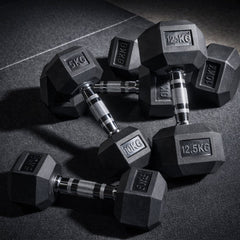
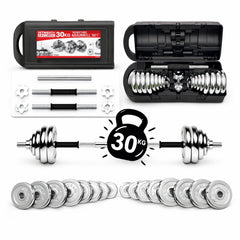
In Kuwait, training outdoors is realistic for only part of the year. Once you count the weeks before and after peak summer, when midday temperatures still pass 40°C, it is closer to six months of heat. That is a big reason so many families are setting up a gym at home.
The homes where that gym actually gets used tend to follow the same order: they plan the space first, decide how they want to train second, and buy equipment third. Skip that order and even good equipment ends up folded in a corner. This guide walks through each step, what a starter setup costs, and when (rarely) commercial-grade equipment makes sense for a home.
Why more people in Kuwait are building home gyms
- Several months of heat make regular outdoor training hard to plan
- Gym memberships add up quickly for a family of two or more
- Busy evening hours at commercial gyms can mean waiting for equipment
- Some people prefer the privacy of training at home
- No commute, so a session fits into a short gap in the day
None of this needs a big budget or a spare room the size of a garage. It needs a setup that matches how you will really use it.
Step 1: Start with space, not shopping
Before buying anything, measure the space you plan to use. This is the step most people skip, and the one that causes the most regret later.
- Usable floor area: measure the clear rectangle once furniture is moved, not the size of the room. A cleared area of roughly 2 × 2 metres is enough for dumbbells and a bench.
- Ceiling height: if a pull-up bar is part of the plan, measure floor to ceiling and allow for arm extension. Doorway bars need a specific frame width; freestanding bars need floor clearance. Our pull-up bar guide covers which option suits a rented apartment versus a villa.
- Flooring: tile is common in Kuwaiti homes and it does not absorb impact or sound. A dropped dumbbell on bare tile is loud enough to bother neighbours and can crack the tile, so put a rubber mat under your training area.
- Air conditioning: a spare bedroom with working AC is a better choice than a garage or storage room for most of the year, both for your comfort and for the equipment.
- Clearance: leave about a metre of open space around a bench or floor area so you can move without hitting furniture.
Ideas for small and large spaces
Small space (a bedroom corner, a spare room, a covered balcony):
- Choose foldable or wall-mounted equipment where you can
- Pick one adjustable dumbbell set instead of several fixed pairs
- Store vertically, on a rack or wall hooks, rather than in floor bins
- Stick to two or three core pieces instead of copying a full gym
Larger space (a dedicated room or a garage with AC):
- Split the room into zones: weights, cardio machine, and open floor for stretching
- Leave space around each piece so you are never stepping over equipment
- Keep weights on a rack rather than on the floor
Step 2: Decide how you want to train
Equipment should follow the way you plan to train, not the other way round. Most home training falls into one or two of these:
- Weight training: dumbbells, a bench, and later a barbell or rack
- General fitness: a kettlebell, resistance bands and a mat
- Bodyweight training: a pull-up bar, dip bars and open floor space
- Cardio: an exercise bike, walking pad or treadmill
Most people mix two of these, which is fine. The point is to decide before you buy. If dumbbells are part of the plan, read how to use dumbbells first: it covers choosing a starting weight and correct form.
Step 3: Build the equipment list in the right order

Once the space and the plan are clear, buy in order of what you will use every week, not what looks complete in a photo. A practical starting list:
- Dumbbells: the most versatile first purchase. A 15 kg dumbbell set (15.45 KD) is a common starting point; the 24 kg adjustable dumbbell set (44.95 KD) goes from 2.5 kg to 24 kg in one pair and saves storage space.
- A bench: needed once you move beyond standing exercises. The adjustable gym bench with bar is 35 KD.
- A floor mat: protects tiles and reduces noise. Buy it before the first session, not after a cracked tile.
- A pull-up bar: doorway or wall-mounted, depending on what you measured in Step 1. Our wall-mounted pull-up bar is not in stock right now, so ask us about availability.
- Resistance bands: cheap, useful for warm-ups, and take almost no storage space.
Kettlebells, a rack, or a cardio machine are worth adding once the basics are being used regularly. You can compare everything side by side in our gym equipment collection.
Setting up an exercise bike or other cardio machine
Cardio machines are the easiest pieces to get wrong, because people plan for the machine and forget the space around it:
- Leave at least 60–90 cm of clear space behind and around the machine
- Stand it on a stable, level surface; uneven floors cause wobble and wear over time
- Keep it out of direct sun, which can damage the display and the seat
- Put it where you will see it and use it, not tucked away in a corner
Exercise bikes and a compact walking pad are in our cardio machines collection. If you choose a treadmill, our guide on how to use a treadmill correctly covers the setup and safety basics.
Step 4: Budget in stages
A home gym does not have to be one big purchase. Spreading it out gives you time to see what you really use. Prices below are today's prices on babsaif.com:
| Stage | What to buy | Typical cost |
|---|---|---|
| 1. Essentials | A dumbbell set, a floor mat, and a bench or a pull-up bar | Dumbbell sets from 15.45 KD, bench 35 KD |
| 2. After a month or two | Whichever of bench / pull-up bar you skipped, resistance bands, a dumbbell rack | 3-tier dumbbell rack 29.95 KD |
| 3. Once the habit is set | Heavier dumbbells, a kettlebell, or a cardio machine | 30 kg set 24.45 KD, 50 kg set 44.95 KD, exercise bikes from 42 KD |
Staging also suits Kuwait's climate: equipment left unused for months in a hot storeroom ages faster than equipment in regular use. Buying only what you use now protects both your budget and the equipment.
Home vs commercial gym equipment: which do you need?
Many people assume "commercial grade" means better. It really means built for a different job: machines in a public gym are used by dozens of people, many hours a day. That is why they have heavier frames, higher weight capacities and bigger footprints. Home equipment is designed around space, noise, price and use by one person or a small family.
| Home equipment | Commercial equipment | |
|---|---|---|
| Built for | One person or a small household | Many users, many hours a day |
| Size | Compact, often foldable or adjustable | Bulky; space-saving is not a priority |
| Frame and capacity | Suited to normal home use | Heavier frames and higher capacities |
| Price | Lower | Significantly higher |
| Delivery and setup | Usually carried in and assembled at home | Heavy; often needs professional installation |
| Best for | Apartments, villas, most families | Small studios, or large households training every day |
For most homes, commercial equipment is more than you need: you pay for durability you will never use, and it takes up space you do not have. It can make sense if several family members train every day, or if you are equipping a small studio. For everyone else, the better approach is well-built home equipment, spending a little more where it matters most, such as a good adjustable dumbbell set.
Common mistakes when building a home gym in Kuwait
- Buying everything on day one. Motivation is highest at the start, which is exactly when it is easiest to overspend.
- Buying before measuring. Equipment that technically fits but leaves no room to move rarely gets used.
- Ignoring heat and humidity. Rubber parts stored on a balcony or in a hot garage wear faster, and metal fittings near AC condensation should be wiped down to prevent rust.
- Skipping floor protection. Tiles crack and downstairs neighbours hear dropped weights. A mat is cheap insurance.
- Ignoring load ratings and wall type. A bench or pull-up bar must be rated for the user's weight, and wall-mounted equipment needs fixings that match the wall: concrete and gypsum board need different hardware.
- Forgetting storage. A cluttered corner gets used less. Plan a rack or shelf from the start.
- Copying someone else's setup. A friend's home gym reflects their plan, not yours.
Get help choosing

Building a home gym in Kuwait does not need a large room or a large budget. It needs the right order: measure the space, decide how you will train, then buy in stages. If you would like to see and try the equipment first, visit our showroom at Shuwaikh Plaza, Khalifa Al-Jassim Street, Shuwaikh Industrial. Bab Al-Saif has served Kuwait since 1992 and is rated 4.7★ from over 350 Google reviews. You can pay cash on delivery, by card, or in instalments with Deema, and we deliver across Kuwait. Questions? Contact us.
FAQs
How much does a basic home gym cost in Kuwait?
A starter setup of a 15 kg dumbbell set (15.45 KD) and an adjustable bench (35 KD) comes to about 50 KD, plus a floor mat. Adding a rack, heavier weights or a cardio machine later spreads the cost out.
How much space do I need for a home gym?
A cleared area of about 2 × 2 metres is enough for dumbbells and a bench. Cardio machines need extra room: allow 60–90 cm of clear space around them.
Can I mount a pull-up bar in a rented apartment?
Often yes, with a doorway bar that needs no drilling. Wall-mounted bars must match the wall type (concrete or gypsum board), so check before you buy.
Is commercial gym equipment worth it for home use?
Usually not. It is built for many users a day and costs more. It only makes sense if several people train every day or you are setting up a small studio.